


People are viewing right now.
Yellow & Red Traditional Tulsi Planter | Sacred Om Swastik Pot

Elevate your daily puja rituals with Ecofynd’s Yellow & Red Ceramic Tulsi Planter, a sacred pot inspired by traditional Indian temple architecture. Handcrafted from high-quality ceramic with a glossy finish, this beautifully designed floor planter is made especially for holy basil (Tulsi), a plant revered in Hindu households. The vibrant yellow and red body features hand-painted green and white floral motifs, creating a perfect harmony between tradition and modern aesthetics.
Auspicious symbols of Om and Swastik are delicately painted on the planter, enhancing its spiritual value and making it an ideal addition to your puja room, home temple, balcony, or garden. Imagine waking up each morning to the refreshing sight of your Tulsi plant thriving in this sacred vessel. A built-in drainage hole prevents overwatering, keeping your plant healthy and well-maintained. Measuring 14 cm in length and 12 cm in width, this compact planter fits seamlessly even in small apartments, bringing positivity, greenery, and divine energy into your space.
FAQs
Q: What are the exact dimensions of the Yellow & Red Ceramic Tulsi Planter? Is it suitable for small apartments?
A: The planter measures 14 cm in length and 12 cm in width. Its compact size makes it ideal for small apartments, balcony corners, window sills, or puja room shelves.
Q: Does this Tulsi planter have a drainage hole? How does it prevent overwatering?
A: Yes, the planter features a built-in drainage hole at the bottom. This allows excess water to escape, preventing root rot and overwatering. Place a small saucer underneath to catch any runoff.
Q: What symbols are painted on this planter? Do they have religious significance?
A: The planter showcases hand-painted Hindu auspicious symbols: Om and Swastik. Om represents the primordial sound of the universe and divine consciousness. Swastik symbolizes good luck, prosperity, and well-being.
Q: Is this ceramic Tulsi planter suitable for outdoor use in direct sunlight or rain?
A: Yes, the high-quality ceramic with a glossy finish is weather-resistant. It can be placed outdoors in a garden or balcony under direct sunlight.
Q: What type of soil and care does Tulsi need when planted in this ceramic pot?
A: Tulsi (Holy Basil) thrives in well-draining, loamy soil mixed with organic compost or vermicompost. Water when the top inch of soil feels dry – about once every 1-2 days in summer and less frequently in winter.
Q: Is the paint on this planter non-toxic and safe for growing edible plants like Tulsi?
A: Yes. Ecofynd uses high-quality, lead-free, non-toxic ceramic glazes and paints. The hand-painted Om and Swastik symbols are sealed with a food-safe glossy finish. You can safely grow Tulsi (which is often used in teas and religious offerings) without any risk of chemical leaching. The planter meets safety standards for edible and medicinal plants.
Q: Can this planter be used for plants other than Tulsi? What are some good alternatives?
A: Absolutely. While designed for Tulsi, this 14x12 cm ceramic planter is perfect for small succulents, cacti, mini ferns, snake plant pups, peace lilies, or flowering herbs like coriander and mint. Its sacred design also makes it a beautiful decorative piece for a desk, side table, or shelf even without a plant.
Q: Is this Tulsi planter handcrafted or machine made? Does Ecofynd support traditional artisans?
A: This planter is handcrafted by skilled artisans using traditional pottery techniques, inspired by Indian temple architecture. The vibrant yellow, red, and white hues are hand-painted, making each piece slightly unique. Ecofynd partners with ethical workshops that provide fair wages and preserve heritage crafts. By purchasing this planter, you support sustainable livelihoods and handmade traditions over mass-produced factory goods.
Q: How do I clean and maintain the glossy ceramic finish of this planter?
A: The glossy ceramic finish is easy to clean. Simply wipe with a soft, damp cloth to remove dust or soil residue. For deeper cleaning, use mild soap and water, then dry thoroughly. Avoid abrasive scrubbers or harsh chemicals, as they may scratch the hand-painted symbols.
Q: What makes this ceramic Tulsi planter more sustainable than plastic or terracotta alternatives?
A: Plastic planters crack under UV light, release microplastics, and often end up in landfills. Terracotta is natural but porous and can break easily. This high-quality ceramic planter is durable, non-porous (glossy finish retains moisture without leaching), and fully reusable for decades.

To ensure longevity, wipe down your planters and decor items with a damp cloth regularly. For metal items, avoid harsh chemicals and dry them immediately after cleaning to prevent rust. Our jute products should be kept in dry areas to maintain their quality.
Shipping Policy
We take great care in packaging and delivering your order safely and on time.
Free shipping on all orders above Rs. 999. Cash on delivery orders carry an additional charge of Rs. 60.
Orders are dispatched every day except Sundays and public holidays. We work with trusted national courier partners to make sure your order reaches you in perfect condition within the promised timeframe.
Order cancellations
In rare situations, we may need to cancel an order — for example, if a product goes out of stock, there's a pricing error, or our team flags a concern during verification. If this happens, we'll reach out to you immediately by phone or email. Any amount already charged to your card will be fully refunded within the standard processing time.
Returns
We inspect every order before it leaves our warehouse. But if something isn't right, we've made the return process simple.
You have 7 days from the date of delivery to return your order.
Here's what you need to know:
- We'll replace the item free of cost or refund the full product amount to your original payment method
- The product must be unused, in its original packaging, with all tags intact
- Please pack it securely and include a copy of your invoice
- Return shipping charges are to be borne by the customer
- Original shipping charges are not refundable
To start a return, email us at care@ecofynd.com and our team will guide you from there.
Exchanges
Received the wrong item or want to swap for a different size or colour? We'll sort it out.
Email us at care@ecofynd.com within 7 days of receiving your order.
- If we sent you the wrong item, we'll replace it or issue a full refund at no extra cost to you
- For other exchanges, the item needs to be returned in its original, unused condition with all tags and packaging intact
- Return shipping is to be arranged and paid for by the customer
- Once we receive and verify the returned item, we'll process your replacement or refund promptly
Have a question before you order? We're here to help — reach out at care@ecofynd.com or chat with us on WhatsApp.
The Ecofynd Team
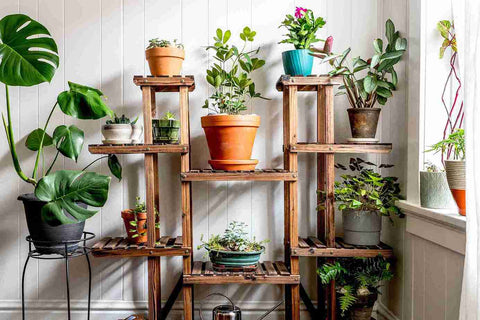
We luuv GardeningEcofynd began with a simple idea: to blend nature with home decor. From planters to macrame hangers, our handcrafted products, made in Aligarh, bring a touch of green into urban homes. We’re here to help you create beautiful, sustainable spaces where nature thrives.
VisionWe aim to lead in sustainable home decor, inspiring a global community to embrace nature within their living spaces. Our goal is to make every home a reflection of the planet’s beauty.
MissionOur mission is to provide eco-friendly home decor that supports urban gardening and sustainable living, making green, beautiful spaces accessible and stylish for all.

Frequently Asked Questions (FAQs)
Share your best answersWe prioritize sustainability in our products, using eco-friendly materials like metal, jute, and recycled plastic. Each item is crafted with durability and aesthetics in mind to enhance your home while being kind to the environment.
To ensure longevity, wipe down your planters and decor items with a damp cloth regularly. For metal items, avoid harsh chemicals and dry them immediately after cleaning to prevent rust. Our jute products should be kept in dry areas to maintain their quality.
We do not offer customizations. However, our wide range of products is designed to suit various tastes and spaces, ensuring you find the perfect fit for your home.
All our products are handcrafted by skilled artisans in our workshop in Aligarh, Uttar Pradesh. We take pride in supporting local craftsmanship and ensuring high-quality production.


